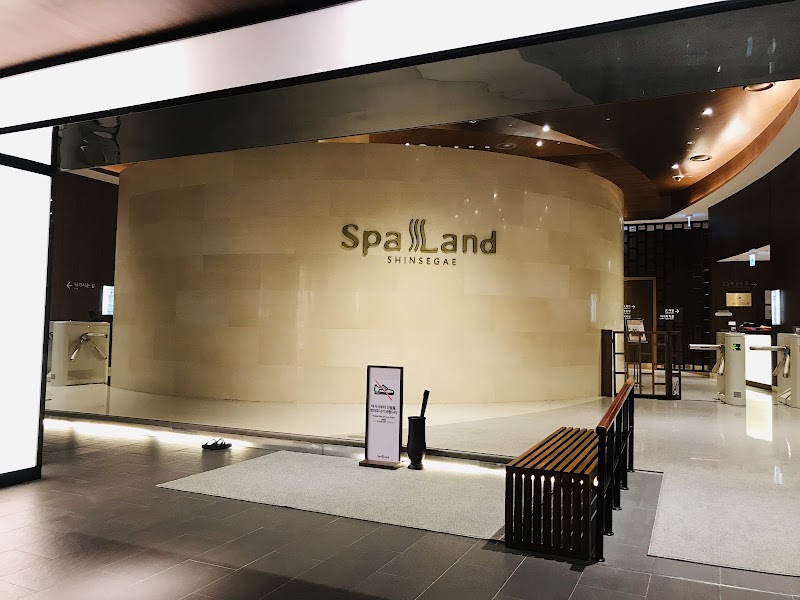
The relentless rain that soaked Busan yesterday had softened into a fine, persistent drizzle, leaving a damp chill in the air that seemed to seep right through my backpack. After a few nights crammed into my otherwise excellent capsule hotel, my shoulders and back were screaming for a real break. My travel budget was screaming for me to ignore them. But then I found a way to satisfy both: a 4-hour, ₩20,000 ticket to an urban paradise hidden inside the world's largest department store.
Is a ₩20,000 Spa Day Cheaper Than a Hostel?
At first, spending ₩20,000 for just four hours of relaxation sounds like a backpacker’s budget failure. That’s almost the price of a full night's stay in a dorm. But here's the survival math: inside Spa Land, you get pristine, hotel-quality showers with premium shampoo and body wash, spacious powder rooms with hairdryers, and endless rooms to lie down in. There’s no noisy roommate, no questionable bunk bed, and for a few hours, the weight of your 65L backpack completely disappears. It’s not just a spa; it's a strategic investment in your physical and mental well-being on a long trip.
The Magic RFID Bracelet: Your Key and Wallet
The experience begins with a piece of technology that feels like it’s from the future. After paying the entrance fee, you’re given an electronic bracelet with an RFID tag. This little band opens your shoe locker, your main locker, and, most dangerously, acts as your credit card for everything inside. From snacks to massages, you just tap your wrist. It’s incredibly convenient, but also a system you need to watch carefully. Every tap adds to a final bill you pay on your way out. I found myself physically holding my wrist back as I walked past the ice cream freezer.
What Are the Must-Do Things Inside Spa Land?
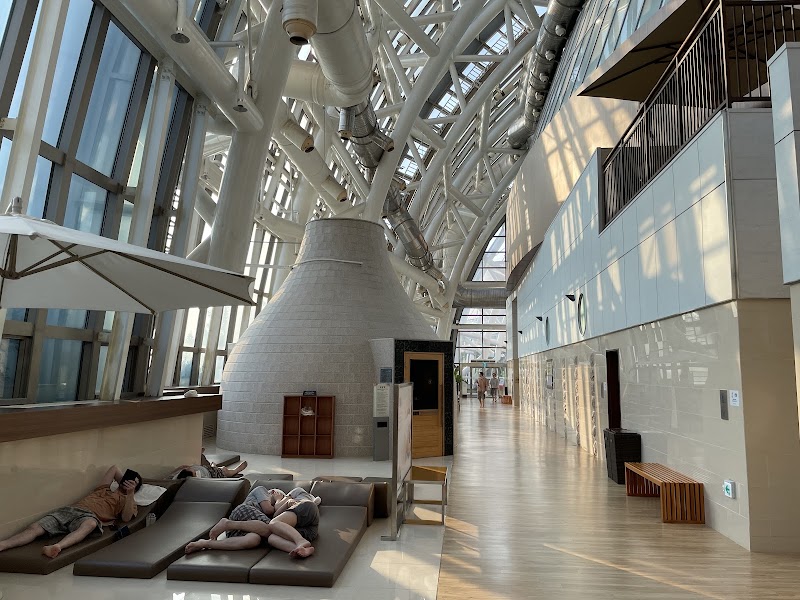
Once you change into the standard-issue shorts and t-shirt, you enter the main hall. The entire marble floor is heated—a system called ondol—and the warmth radiating up is pure bliss for tired feet. The sheer variety of rooms and experiences can be overwhelming, so it's best to have a plan.
A Tour of Temperatures: From Finnish Saunas to an Ice Room
The first floor is a maze of themed sauna rooms. Each has a digital display outside showing the exact temperature. I started in a moderate Hwangto (yellow ochre clay) room before graduating to the scorching heat of the Charcoal Room. The Salt Room, lined with massive blocks of Himalayan pink salt, was the most beautiful. In between the hot rooms, ducking into the frigid Ice Room is a shock to the system, but it feels incredible. It’s a cycle of sweat, freeze, and repeat that leaves you feeling completely refreshed.
The Outdoor Foot Bath: An Oasis in a Concrete Jungle
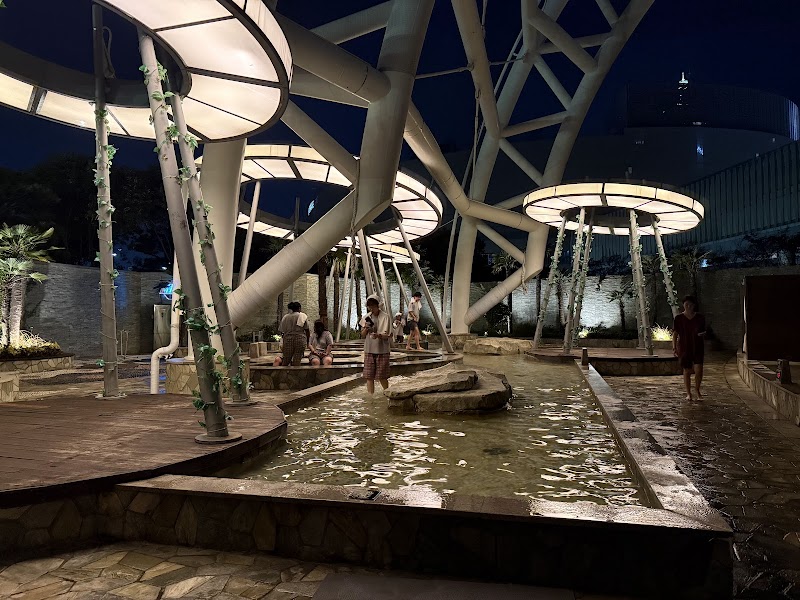
My favorite spot was the outdoor foot bath. You grab a thick, padded jacket provided at the door and step out into the cool, drizzly air. Sitting on the wooden deck, watching steam rise from the hot spring water while looking up at the surrounding skyscrapers of Centum City, is a surreal experience. It’s the perfect place to enjoy the cold, sweet sikhye (a traditional rice drink) you bought from the snack bar. The contrast of the cool rain on my face and the heat on my feet was the highlight of my visit.
Can a Backpacker Actually Afford to Eat Here?
Food and drink prices inside are higher than at a convenience store, but they aren't outrageous. More importantly, eating here is part of the strategy.
The Self-Serve Ramyeon Bar: A Vegetarian's Lifeline
The main restaurant menu wasn't very vegetarian-friendly, but the Self-Serve Ramyeon Bar was a game-changer. For about ₩10,000, you pick a packet of instant noodles and gain access to a buffet of toppings. This is where you get your value. I chose a simple veggie broth and built a mountain of fresh green onions, mushrooms, kimchi, and quail eggs. It was a delicious, filling meal that I customized myself. It also helped me achieve my goal for the next tip.
The Hidden Rules and Survival Tips You Need to Know
This place is amazing, but it has its own set of rules that can catch a traveler off guard. Knowing them beforehand makes the experience much smoother.
The 4-Hour Time Limit and How to Extend It
This is the most critical rule. Your initial entry fee only covers you for four hours. Going over results in an hourly charge. However, there's a loophole: if you spend at least ₩10,000 inside on food, drinks, or services (using your RFID bracelet), your stay is automatically extended to six hours. This is why eating at the ramyeon bar isn't just a meal; it's a strategic purchase that buys you two more hours of relaxation. I went straight for the recliner chairs in the second-floor Relax Room after eating, completely guilt-free.
The Fully Nude Bathhouse: What to Expect
The final stage of the experience is the bathhouse (spa area), which is gender-separated and fully nude. For some Westerners, this can be a culture shock. My advice: just go with it. Nobody is looking. The real prize here is the variety of hot and cold tubs filled with natural spring water. The most powerful feature is the "Bade Pool," which has dozens of high-pressure water jets that target every muscle in your back, neck, and legs. It's a more effective massage than any coin-operated chair, and it's included in the entry price.
Payment Issues and When to Visit
A crucial tip for foreign travelers: Apple Pay does not work here. You will need a physical credit card or a local payment option like Samsung Pay to settle your final bill. Also, this place is incredibly popular. If you want a truly peaceful experience, avoid weekends at all costs. A weekday morning or early afternoon is the sweet spot for having the place mostly to yourself.
Today's Survival Receipt: The Final Verdict
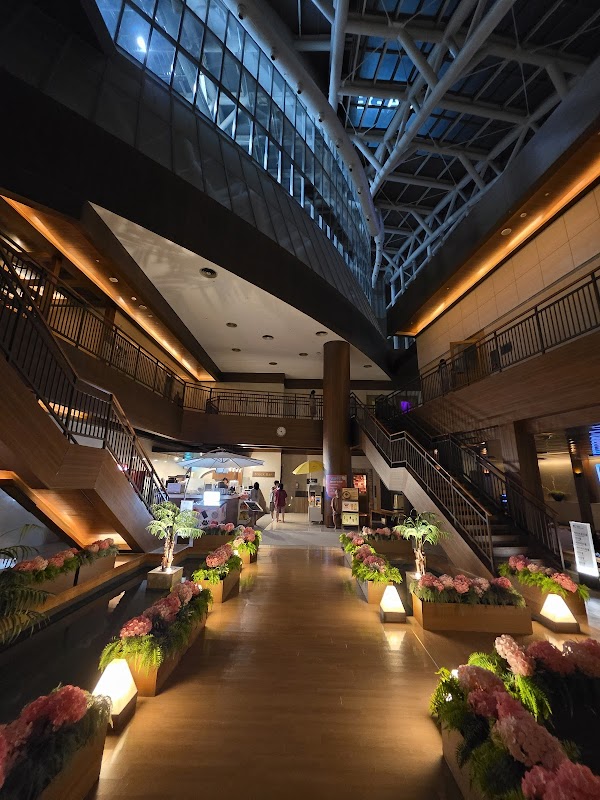
After a blissful four hours, I tapped my bracelet one last time at the exit gate. Here’s the final damage:
- Entry Fee: ₩20,000
- Sikhye & Baked Eggs: ₩6,500
- Ramyeon Bar: ₩10,000
- Massage Chair (15 min): ₩3,000
Total Cost: ₩39,500
For less than the cost of two nights in a cramped city hostel, I got a 5-star spa experience, a hot meal, and enough deep relaxation to cure weeks of backpacker fatigue. Spa Land isn't a splurge; for a long-term traveler in Busan, it's an essential, cost-effective survival tool. It’s the ultimate reset button, and I walked out into the evening drizzle feeling like a completely new person.