
Waking up in a budget Korean jjimjilbang (bathhouse) in Busan is an experience, to say the least, but the real battle started the moment I stepped outside. The humidity was unreal. Coming from Germany, where summers are generally dry and crisp, July in South Korea felt like being trapped inside a giant, active humidifier. I had spent the night at a cheap bathhouse near Gwangalli Beach to save on accommodation, and while a cold cup of sikhye (sweet rice punch) kept me going for a bit, the midday heat was rapidly draining my 22-year-old backpacker energy. I made a promise to myself right then: today, I would track down the absolute pinnacle of Korean summer desserts and beat this heatwave. My budget-traveler radar pointed me straight toward Nampodong’s famous Red Bean Shaved Ice Alley—a historic spot known for keeping things cheap, authentic, and legendary.
How to Find Nampodong Patbingsu Alley: Map Hacks for Budget Travelers
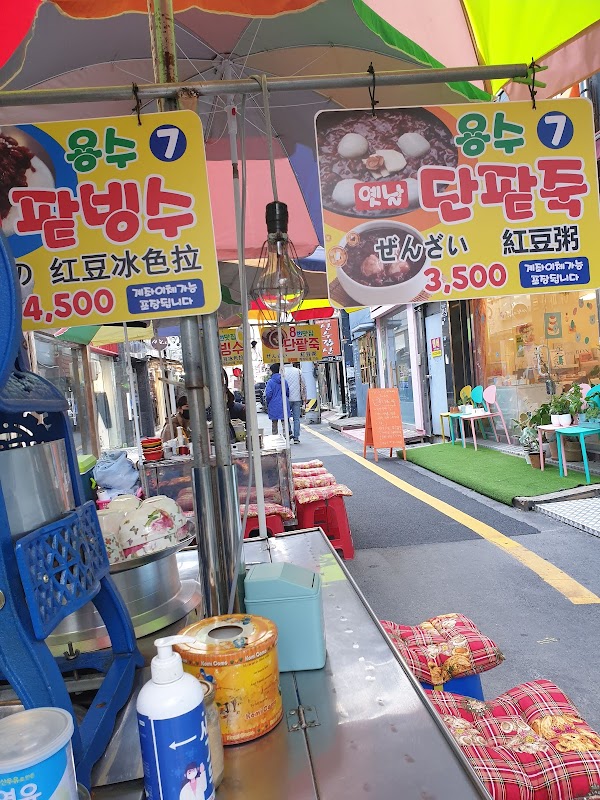
Here is a quick reality check for anyone traveling to Korea: my European offline map apps completely gave up on me in the labyrinth of Gukje Market. Standing on asphalt that felt like it was melting at 33°C (91°F) with a heavy backpack weighing me down, I was thoroughly lost and incredibly frustrated. I might have let a few choice German swear words slip under my breath. At my limit, I approached an elderly market vendor and asked for directions in my highly basic, broken Korean. Even though we had a massive language barrier, she was incredibly kind, using expressive hand gestures to point me through the maze of vintage clothing stalls. Just as I was about to lose hope, the mechanical buzz of vintage ice-shaving machines and a sudden draft of cool air hit my face. I followed the sound, rounded a corner, and there it was—hidden away like a local secret.
The Retro Street Food Vibes of Nampodong
This alley is the complete opposite of the hyper-modern, sterile franchise cafes you see all over Seoul. It is a wonderfully analog space. Narrow paths are lined on both sides with bright red and blue plastic stools—the exact ones I had only ever seen in Korean dramas during outdoor market scenes. The vendor greeted me with a warm, welcoming smile, so I dropped my heavy pack on the floor and took a seat. Above my head, an old, slightly creaky wall fan was spinning, but surprisingly, the breeze it kicked up felt far more refreshing than any high-tech air conditioner. Sitting there, it felt like I was directly absorbing the history and local culture of Busan for next to nothing.
Busan Nampodong Patbingsu Alley Review: Cheap Eats Worth the Hype
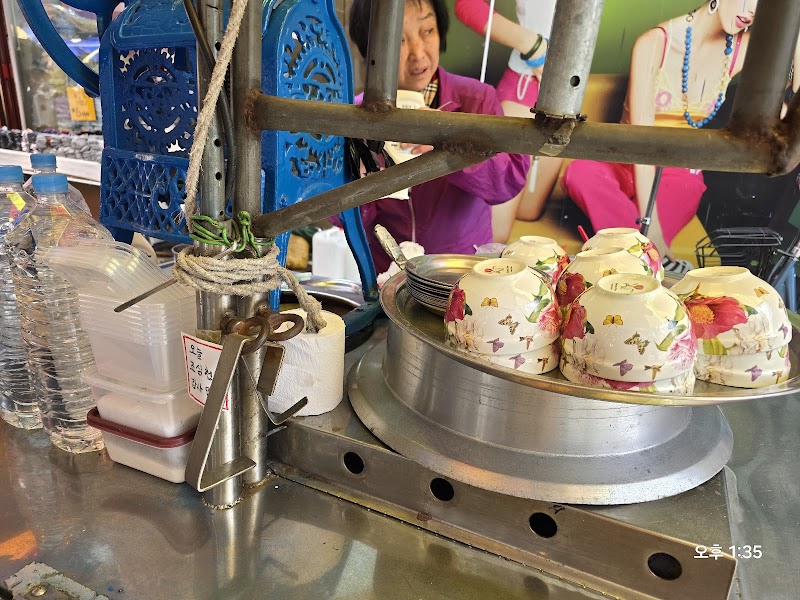
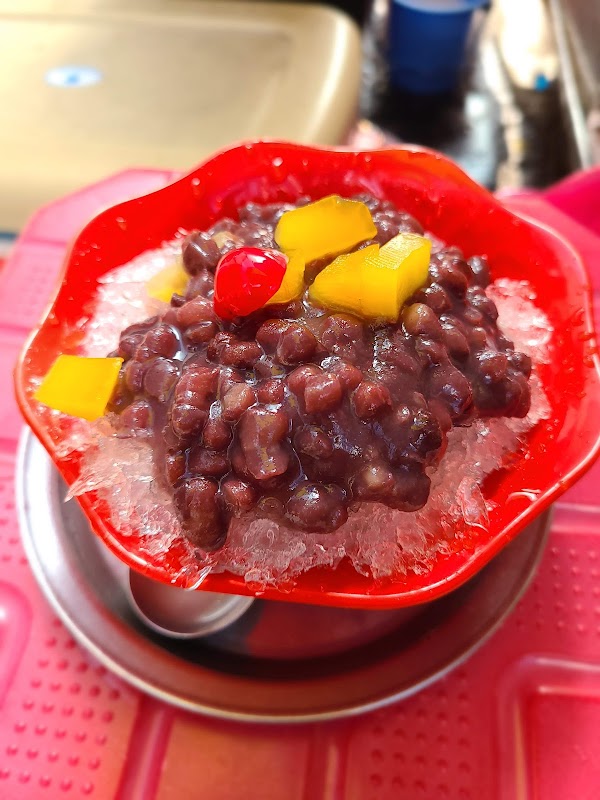
When I looked at the prices, I had to double-check to make sure I was reading them right. Ordering both a bowl of classic shaved ice (patbingsu) and a hot bowl of sweet red bean soup (danpatjuk) came out to less than 8 USD combined. As soon as I ordered, the vendor loaded a massive block of clear ice into a vintage, hand-cranked blue ice shaver. Watching the machine shave the ice down into fine snow directly into a classic glass bowl was a fascinating performance in itself.
Classic Patbingsu: Minimalist Dessert at Its Finest
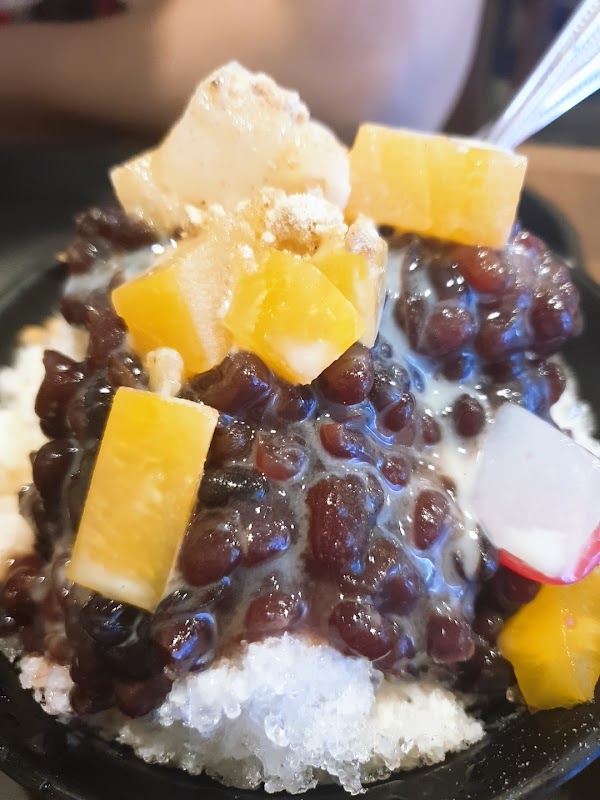
The presentation of the patbingsu here is incredibly simple. There are no trendy toppings like mango, cheesecake chunks, or matcha powder—just shaved ice, a generous ladle of dark, house-made sweetened red beans, and a splash of milk syrup. At first, I wondered if it might be a bit too basic. But the second I took a spoonful, all doubts vanished. The rich, earthy sweetness of the house-made red beans perfectly cut through the clean, cold crunch of the ice. It is a masterclass in culinary minimalism where the quality of the main ingredient does all the heavy lifting. Backpacker pro tip: I always carry a small tube of condensed milk in my daypack. Squeezing a bit of that onto the plain ice at the bottom of the bowl completely elevates the flavor profile for zero extra cost.
Hot Danpatjuk: The Unexpected Pairing of Heat and Cinnamon
Once my mouth was completely frozen from the shaved ice, I switched over to the warm bowl of danpatjuk (sweet red bean porridge). Alternating between freezing cold and warm food might sound strange, but it actually felt incredibly soothing on my stomach. The porridge was topped with a dusting of cinnamon powder, which immediately triggered a wave of nostalgia—the aroma smelled exactly like the warm glühwein and spiced treats at Christmas markets back home in Germany. The chewy injeolmi (rice cakes) hidden inside the porridge added a fantastic texture and provided a much-needed carb boost for a tired backpacker.
Busan BIFF Square Seed Hotteok: Worth the Wait and Calories?
After finishing my red bean feast, I walked over to the high-traffic BIFF Square. Even before you see the food stalls, you can smell them. The rich, salty aroma of melting margarine fills the air, and it is impossible to ignore. I headed straight for the stall with the longest queue to see if the hype was real. Despite the crowd of tourists and locals, the line moved incredibly fast because the staff prepared the food with military-grade efficiency. I only had to wait about three minutes.
Taste Testing Busan's Famous Seed Hotteok
The hotteok (sweet pancake) is practically deep-fried in salted margarine and served scalding hot in a paper cup. The vendor slices the edge open with scissors and stuffs it with a massive scoop of brown sugar syrup, sunflower seeds, and pumpkin seeds. The first bite is an absolute texture bomb: incredibly crispy on the outside, soft and chewy on the inside, followed by a crunch of seeds. The contrast between the salty margarine on the crust and the sweet, molten brown sugar filling is perfect. Honestly, compared to European street food like crepes, this is far more filling and offers way better value for money. As a funny side note, while I was eating, a local pigeon successfully intercepted a stray sunflower seed I dropped, then stared me down demanding more.
Essential Survival Tips for Busan Street Food Tours
While exploring Busan’s street food scene is highly recommended, there are a few practical challenges you should prepare for:
- No Seating: Most of these stalls require you to eat standing up on crowded streets, which can be physically exhausting if you are carrying a full travel backpack. Drop your heavy bags at a station locker first.
- Burn Hazard: The liquid sugar inside the hotteok is essentially culinary lava. Do not bite directly into the center immediately, or you will burn your mouth. Let it cool down for a minute.
- Lack of Public Trash Cans: South Korea has very few public trash cans on the streets. You will likely have to carry your sticky paper cups and wrappers with you for a while, so keeping a small plastic bag in your pocket for trash is a lifesaver.
Busan 2-Day Budget Breakdown: How Cheap is Korea for Backpackers?
Compared to typical European travel costs, public transit and food prices in South Korea are incredibly budget-friendly. To give you an idea of how easy it is to travel here on a budget, here is a breakdown of my actual expenses from this leg of the trip:
- Injeolmi Sulbing (Shaved Ice at Sulbing Seomyeon): 9,500 KRW
- Busan Metro Fare (Section 1): 1,450 KRW
- GS25 Convenience Store Banana Milk: 1,800 KRW
- Busan Metro Fare (Section 1 return): 1,450 KRW
Total Expenditure: 14,200 KRW (approx. 10.50 USD / 9.70 EUR)
In any major German city, 10 Euros wouldn’t even cover a single slice of cake and a latte at a standard cafe. In Busan, that same amount paid for a massive bowl of premium shaved ice, a classic convenience store snack, and round-trip subway transport to explore different neighborhoods. For young backpackers trying to stretch their funds during a gap year, Busan is an absolute goldmine of culture, food, and high-value experiences.