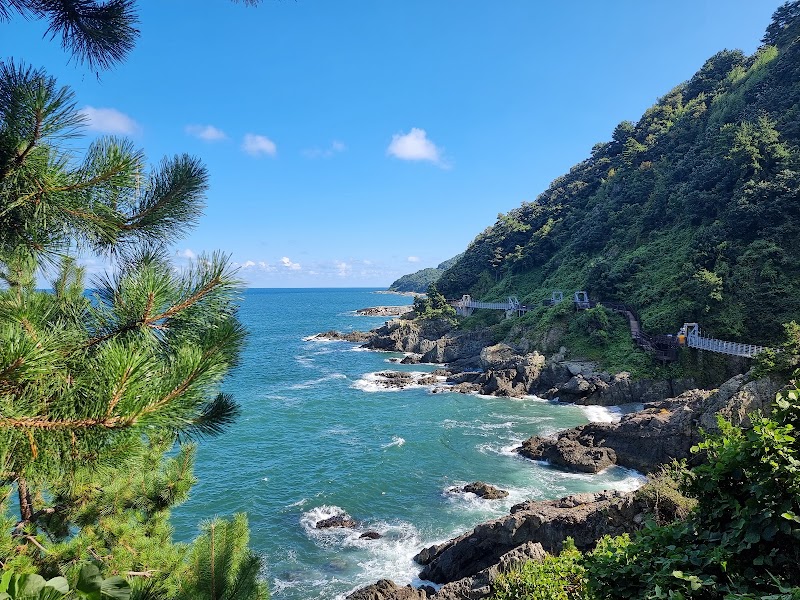
Yesterday in Busan was absolutely gorgeous, but this morning woke up to a heavy layer of gray clouds. Honestly, though? It doesn't bother me one bit.
I slept like a baby last night in an incredibly affordable capsule hotel, and I woke up feeling completely recharged. In Germany, finding accommodation of this quality at such a low price is almost unimaginable. Thanks to these highly budget-friendly stays, my Asian gap year backpacking trip has been running incredibly smoothly.
Today, I planned a massive exploration of Nampo-dong, navigating both indoor spaces and outdoor alleys. My main goal for the day is to fully immerse myself in Nampo-dong’s unique vintage aesthetic while keeping my spending to an absolute minimum.
Navigating Busan’s Gukje Market Vintage Alley: A Backpacker’s Guide
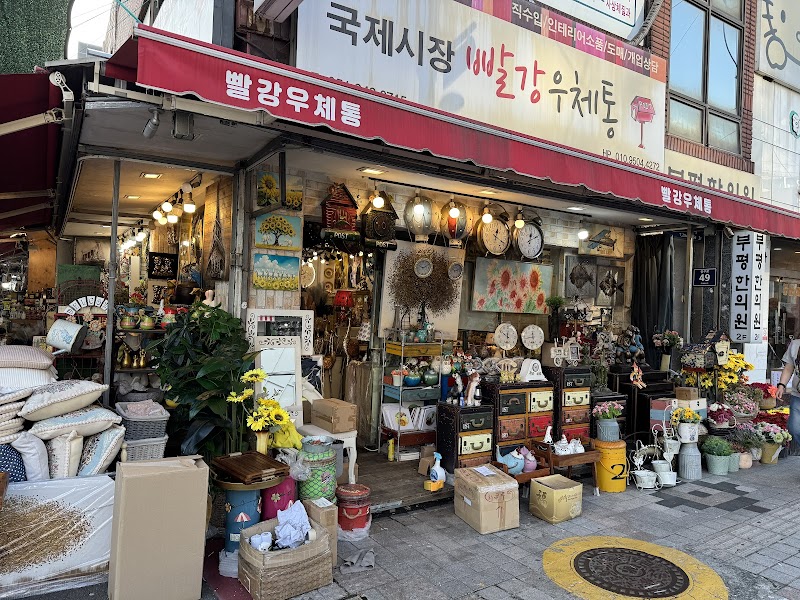
The adventure truly begins the moment you step off the subway at Jagalchi Station and head toward Gukje Market. The sheer density of neon signs, the bustling crowds, and the energetic cadence of the local Busan dialect swirling around you makes it feel like you have stepped into an entirely different dimension.
Why You Need Korean Map Apps Instead of Google Maps
While Google Maps is generally the default lifesaver for first-time travelers, it is notoriously unreliable in the dense alleyways of Nampo-dong. The blue GPS dot has a habit of spinning in circles, leaving you completely turned around. I learned the hard way that using local Korean map applications is a far more efficient way to navigate the country’s intricate streets.
Back home in Berlin, I pride myself on never getting lost, even in the most labyrinthine U-Bahn stations. However, the maze-like alleys of Nampo-dong are on an entirely different level. That being said, getting lost in these narrow corridors is half the fun—it often leads to finding the most unexpected hidden gems.
Thrifting in Nampo-dong: How to Build a Full Outfit for Under 20,000 KRW
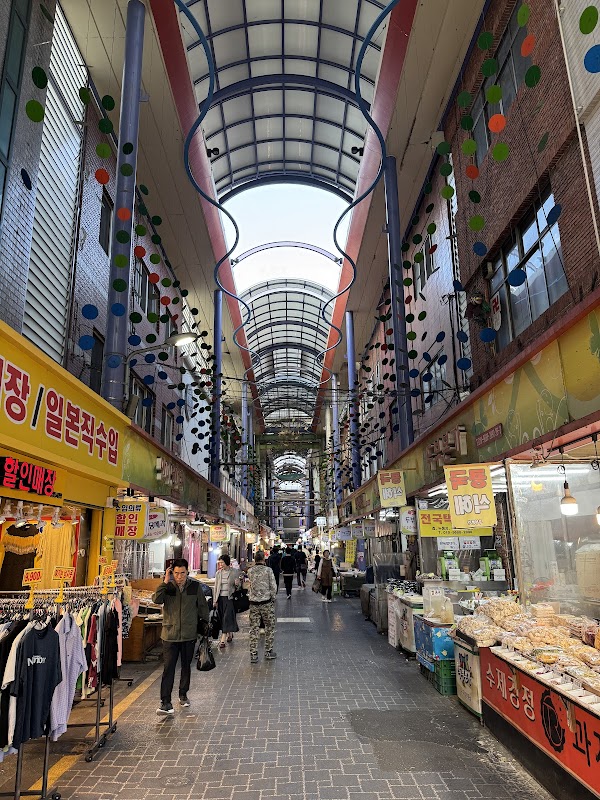
Unlike the highly curated, neat flea markets in Germany, the Nampo-dong vintage market is raw, energetic, and full of life. It can be a bit dusty, and there is a distinct musty scent in the air, but the thrill of digging through piles of clothes to find a genuine piece of fashion history is incredibly rewarding.
My target for the day was highly specific: acquire a top, a bottom, and an outer layer with a total budget of just 22,000 KRW (roughly 15 EUR). To an outsider, this budget might seem ridiculously low, but given the price points in Nampo-dong, it is entirely realistic if you know what you are doing.
How the Nampo-dong Vintage Market is Laid Out
The vintage shopping district in Nampo-dong is broadly divided into two distinct environments.
First, there are the outdoor street stalls where clothes are literally piled high on the pavement. Locals refer to these spots as "clothing graves" (ot-mudeom), and they offer a truly unique, chaotic shopping experience. Second, you have the small, organized vintage boutiques located inside buildings or underground basements.
The outdoor piles are exceptionally cheap and offer room for price negotiation, but you have to invest serious time and physical effort to unearth anything wearable. On the other hand, the indoor boutiques are more expensive, but the items are curated, cleaned, and much easier to browse.
The Art of Digging: Scoring a 90s Windbreaker from the ‘Clothing Graves’
Tackling the massive clothing piles requires a very hands-on, decisive approach. There is no room for hesitation; if you pause too long to think about an item, another shopper will likely grab it right out from under you.
After about three minutes of intense, strategic digging, I spotted a flash of color near the bottom of a pile and pulled out a vintage 90s windbreaker with a classic brand logo still perfectly intact. Aside from some minor pilling around the cuffs, the jacket was in excellent condition. The oversized fit makes it incredibly versatile and easy to style with almost anything.

Charming the Locals: The Heartwarming Magic of Korean Market Culture
Following the windbreaker success, I managed to find a vintage graphic tee and a classic denim midi skirt in quick succession. The price tags were incredibly low: 5,000 KRW for the tee and 7,000 KRW for the skirt.
Using the few survival Korean phrases I have picked up, I politely explained to the shop owner that I wanted to purchase all three items. She seemed amused and incredibly welcoming toward a solo foreign backpacker, smiling warmly and giving me a friendly pat on the shoulder.
This kind of warm, spontaneous connection is something you rarely experience in the highly transactional retail environments back in Germany. It’s what Koreans call "Jeong"—a deep sense of warmth and attachment. To top it off, she even rounded down the final price for me, allowing me to stay well within my target budget.
Busan Street Food Tour: Honest Review of BIFF Square’s Famous Ssiat Hotteok
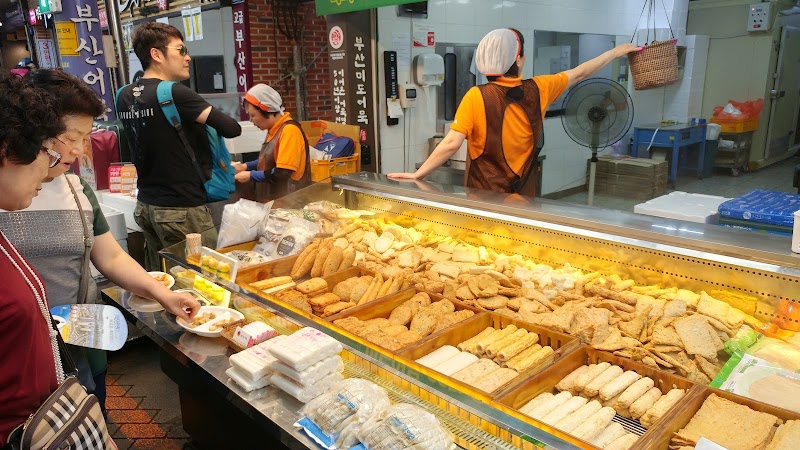
After spending more than two hours navigating the crowded market alleys, my energy levels were completely depleted. For a budget traveler, the most efficient way to refuel is always through local street food, and Nampo-dong's BIFF Square is legendary for offering high-calorie, delicious snacks for pennies.
Is Ssiat Hotteok Worth the Hype? My Unbiased Taste Test
Following the rich aroma of frying dough, I quickly located the famous hotteok stall, recognizable by the long queue of locals and tourists alike. At just 2,000 KRW, this sweet pancake turned out to be one of the best culinary values of my trip so far.
The dough is fried in oil until the exterior is incredibly crispy, while the inside remains chewy and filled with molten brown sugar syrup. What sets the Busan version apart is the generous handful of seeds—like sunflower and pumpkin seeds—stuffed inside after cooking. The contrast of sweet, salty, and earthy nuttiness is absolute perfection. It is a fantastic energy booster and worth every second spent waiting in line.
Cash is King: A Crucial Survival Tip for Korean Street Markets
Just as I went to order my hotteok, I realized I had zero physical cash on me. While South Korea is generally a highly cashless society, street vendors and small market stalls strongly prefer cash or direct bank transfers.
Fortunately, there was a bank ATM nearby where I could quickly withdraw some local currency. If you are planning a day of thrifting or street food hopping in Korea, keeping a small stash of physical cash on hand is an absolute necessity.
My Complete 30,000 KRW Busan Budget Breakdown: Eat, Shop, and Sleep Cheap
With my bags full of vintage finds and my stomach satisfied, I made my way back toward my hostel. For dinner, I decided to keep things ultra-frugal by stopping at a local convenience store.
In Korea, convenience store meals are not just a desperate last resort; they are incredibly high-quality, nutritionally balanced options. I picked up a traditional Korean Neobiani (marinated beef) lunchbox for just 5,000 KRW. Complete with rice and a variety of side dishes, it was as satisfying as a meal at a standard sit-down restaurant.
My Daily Expenses in Busan (And How Far Your Money Can Go)
Tracking expenses is vital to keeping a long-term backpacking trip sustainable. Looking at my final numbers for the day, the level of value Busan offers is incredibly impressive.
- Transportation (Subway Round-Trip): 2,900 KRW
- Shopping (Windbreaker, T-Shirt, Midi Skirt): 22,000 KRW
- Food & Drink (Ssiat Hotteok, Convenience Store Dinner, Water): 8,000 KRW
- Total Spending: 32,900 KRW
Back home in Germany, this total amount would barely cover a single cheap t-shirt. Yet here in Busan, the same budget got me a full vintage outfit, a legendary local dessert, and a hearty dinner. For any long-term budget traveler looking to stretch their funds without sacrificing the quality of their travel experience, Busan is a destination that simply cannot be beaten.